
Priorities
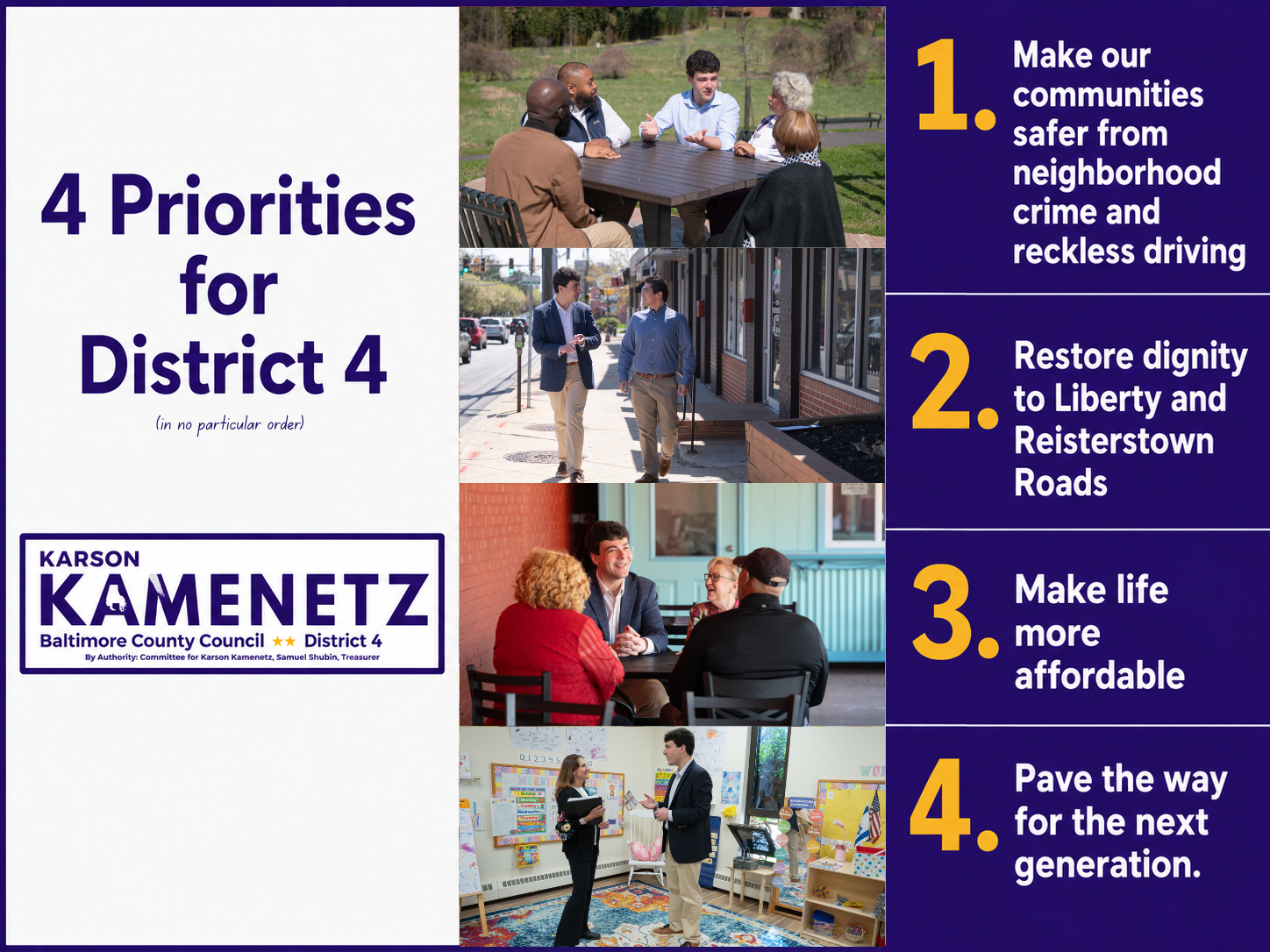
★★ Our Priorities ★★
Read what I am talking about
★★ Public Safety ★★
Karson believes nothing else is possible without public safety.
If families don't feel safe, if reckless driving keeps putting people at risk, if officers are not properly supported, and if we don't address the problems that lead to crime in the first place, then growth, investment, and quality of life all suffer. Karson doesn't view public safety as one issue among many. He views it as a foundation for everything else the county hopes to achieve.
What does this mean?
- Treating reckless driving, dangerous roads, and broken crosswalks as public-safety issues, not just annoyances, by building more traffic calming in our neighborhoods that too often function as ways to avoid more congested roads.
- Supporting a state-of-the-art training center so officers have the preparation and facilities needed to meet modern challenges.
- Following through on take-home cars and other commitments the county has already made.
- Partnering with our county stakeholders to provide youth programs, job training, addiction services, and mental health resources so fewer people enter the justice system in the first place.
- Building real recruitment and retention operations so the county can attract and keep high-quality personnel.
- Being honest with residents about staffing and departmental needs, instead of "fudging the numbers."
- Bringing us closer to neighboring jurisdictions by strengthening reentry programs to reduce repeat offenses and create pathways back into society for those who’ve served their time.
Karson knows public safety requires trust, professionalism, and accountability. The county should be supporting the people who keep communities safe, while also expecting a department that is effective, well-trained, and focused on serving the public well.
 ★★ Aging In Place With Dignity ★★
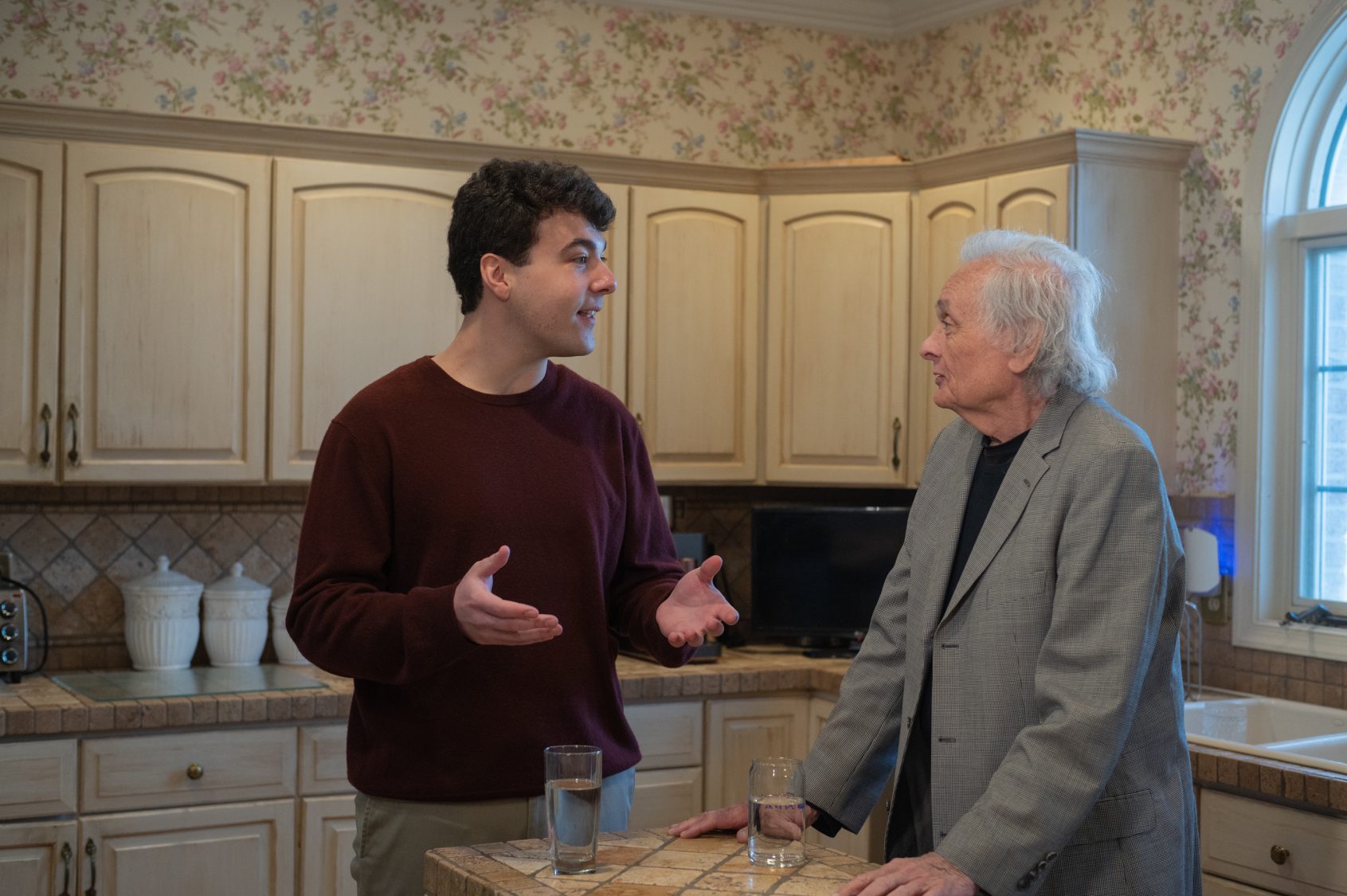
One in four county residents are 60 or older, and older adults deserve more than generic appreciation. They need a county built around the realities of aging. So Karson's age-in-place platform is built around one promise: if you built this community, you deserve to age with dignity, right here at home.
Karson's priorities for older adults are practical and concrete:
- Aging in Place. Too many older adults are being priced out, isolated, or forced to leave their homes because the basic supports are not there. Karson wants a countywide inventory of aging-in-place infrastructure, a loan program with increased capacity for all older adults in Baltimore County to receive hands-on help with home modifications and safety improvements, and he will enable accessory dwelling units for more flexible family arrangements.
- Benefits Navigation and Tax Relief. Too many seniors qualify for help but never receive it because the process is too confusing. Karson wants his council office to function as a real one-stop shop for benefits navigation. From property tax and utility relief to prescription support and more, Karson is especially focused on older adults on fixed incomes who fall into the gap where they make too much to qualify for help, but not enough to comfortably afford the basics, so count on him to advocate to State and Federal partners to increase the capacity of these programs.
- Reliable Transportation. Losing the ability to drive should not mean losing access to groceries, medical care, worship, or independence. Karson supports a full audit of CountyRide, wants to improve reliability and utilization, and believes older adults should not be paying high round-trip costs for a service that so many depend on.
- Senior Centers as Wellness Hubs. Senior Centers should be more than activities. They should be the easiest place to get connected to services. Karson will strengthen Senior-Center-Programming that fights isolation, supports health, and connects older adults to transportation, meals, resources, and community.
- "Someone Checks In" Program. Right now, neighborhoods are left to fend for themselves when it comes to senior-check-in-programs. Karson believes public service includes ensuring older adults aren't left alone. He will seek to create a subdivision within the Department of Aging that provides individual and regular check-ins with older adults in every community to provide check-ins, small errands, and connection. He wants a true neighborhood "safety net" that reduces isolation and improves quality of life.
A platform for older adults isn't charity. It is basic dignity. Safer sidewalks, a safer home, and a more reliable ride. Real help navigating the system. Karson will deliver a Baltimore County where seniors can stay independent, stay connected, and stay in the neighborhoods they call home.
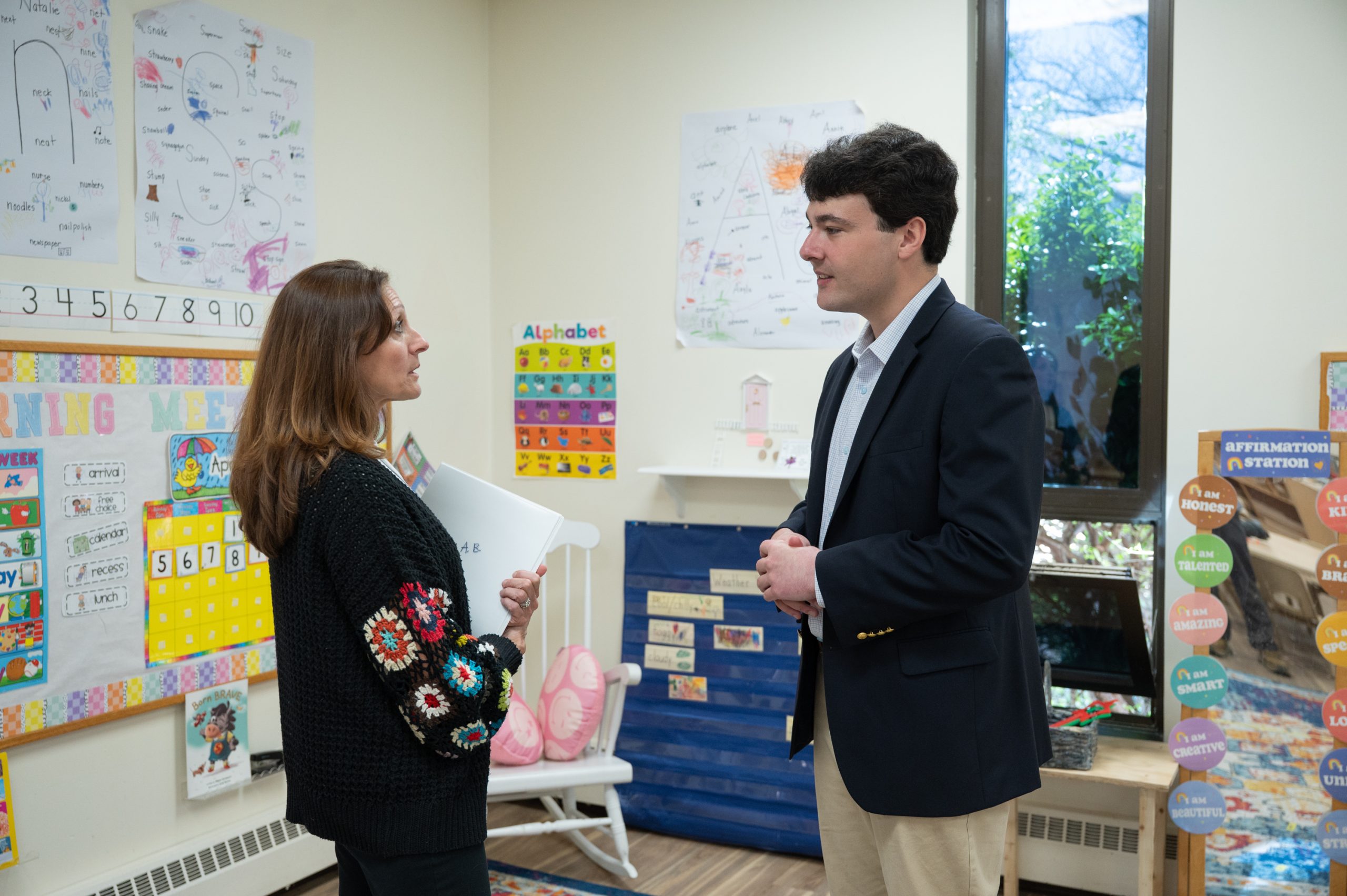
★★ Schools, Youth, and the County's Future★★
Strong schools are central to whether families stay in Baltimore county, whether neighborhoods remain strong, and whether the county can compete for the future. So his education platform is built on one core belief: education is the most powerful engine for fairness, opportunity, and long-term safety that we have.
Karson also believes county government has to stop pretending housing, school capacity, transportation, and infrastructure are separate conversations. They are not. Growth decisions affect schools. The tax base affects school investment. Land use affects traffic and family stability. An effective councilmember has to understand all of that together.
What does this mean?
- Funding the Blueprint, the Right Way: Karson wants to grow our tax base through smart, targeted growth. By doing so, we can formulate a long-term funding strategy that meets Baltimore County's obligations without last-minute budget chaos. Education is not an optional service, the future of Baltimore County depends in large part on our ability to produce talent for the workforce. So we should not be balancing budgets by undermining what students need to succeed.
- Staffing, Recruitment, and Retention: Schools run on its people. Karson will protect the staffing that makes a school operate consistently, like teachers, paraeducators, counselors, social workers, and support professionals. Fewer adults in buildings means bigger class sizes, asking professionals to do more than the job they were asked to do, and ultimately, worse outcomes. He also recognizes that Baltimore County cannot recruit its way out of a staffing crisis without retaining the educators we already have. Karson will advocate for competitive compensation, expand "Collaborative Time" to ensure the "after-school" work asked of our educators is done on-the-clock, and "grow-your-own" pipelines so future teachers and support staff can come from right here in our vibrant communities.
- Mental Health and Student Supports: Karson's goal is ensuring students show up to school ready to learn, because students can't learn when they are in survival mode. Karson will prioritize school-based mental health supports and partnerships that bring real services into schools so educators are not forced to do every job at once.
- Safe, Dignified School Buildings: A world-class education simply does not happen in buildings where HVAC fails, roofs leak, or classrooms are not as safe and accessible as they should be. Karson will always push for smart capital planning that treats facilities as part of student success, because it is.
Karson's approach includes taking school capacity seriously in land use decisions, being honest about the effect that growth can have on overcrowding and infrastructure, supporting county budgets that reflect the seriousness of school facility and resource needs, and making sure all stakeholders in education are not afterthoughts to county planning decisions.
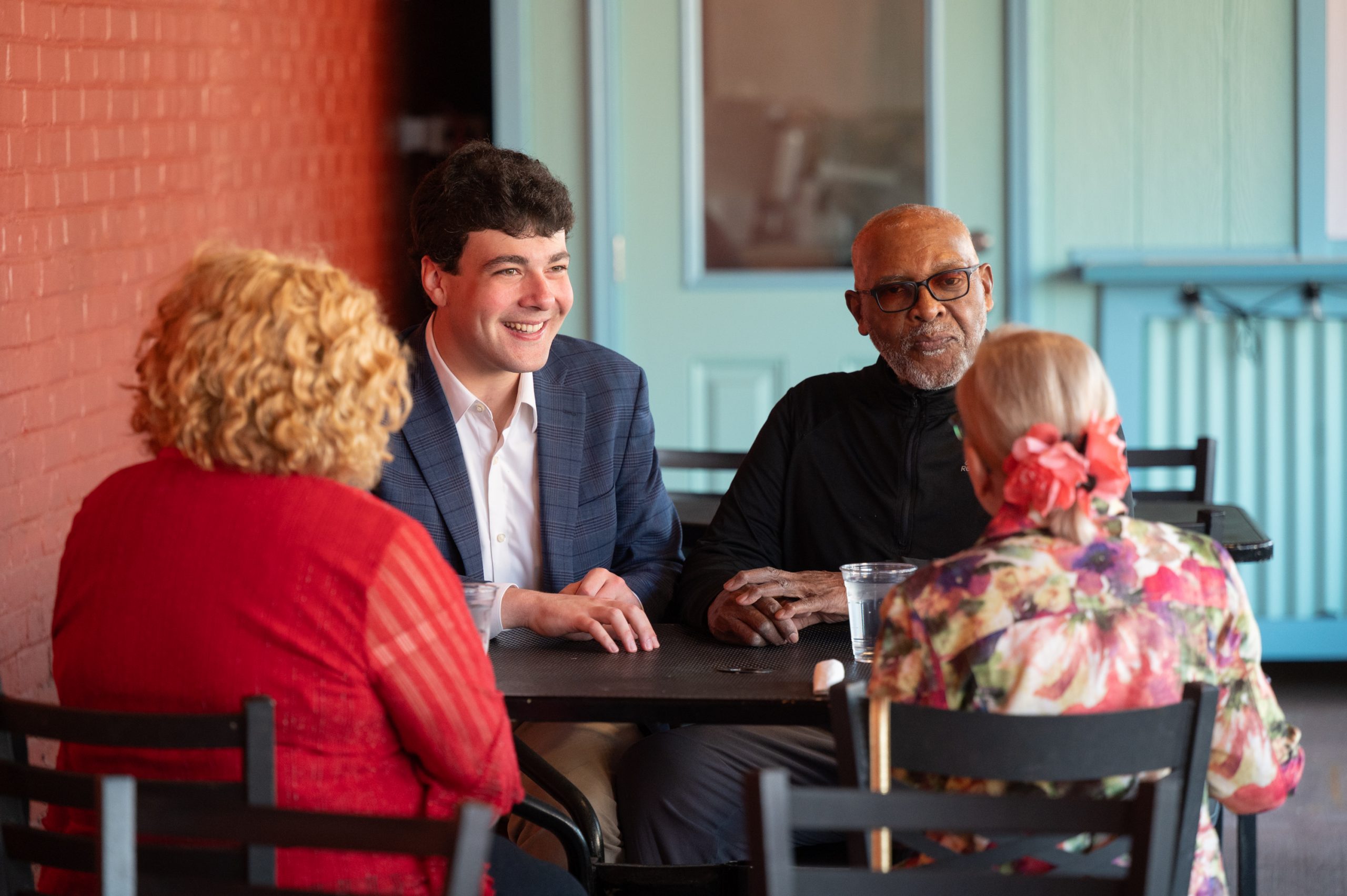
★★ A More Responsive County Government ★★
At the heart of Karson's campaign is a simple belief that government should not feel unreachable.
Too many residents feel like they do everything right but still can't get a straight answer, a returned call, or a timely response from the county. Karson believes a council office should be more than a vote at the dais. It should be a sense of urgency, follow-up, problem-solving, and accountability.
That is why Karson shows up relentlessly. This job is about having a constant presence in the district, listening before acting, telling residents the truth about tradeoffs, and treating constituent service as core public service, not an afterthought.
What does this mean?
- Personal Accountability. You will always know where and how to reach Karson, because that’s the job. He will provide a fully public calendar detailing all public appearances and provide an opportunity for all residents to schedule 1-on-1 meetings at their request. And when you call, you will hear back directly, clearly, and with a tangible plan to resolve the issue.
- Transparency and Follow-through. Karson's office will establish an online dashboard so you can track service requests sent to my office, be it a pothole or permit, so you know what to expect and when to expect it.
- Efficiency: Karson will put a “shot clock” on county services, creating deadlines that agencies should target when responding to residents. No more run-around, and no more endless waiting.
Karson believes humility is part of competence. He does not claim to have a total and complete knowledge of every county system, because no honest candidate can. What he does claim is that he has the judgment, issue fluency, work ethic, and support network to be effective from day one. He knows that a large part of this position is learning from residents, frontline workers, subject-matter experts, and experienced public servants in order to serve the district well.
★★ Responsible Growth, Smart Land Use, and Fixing Neglected Corridors ★★
Karson supports growth, but only growth that is responsible, honest, and tied to a larger plan.
Too much of the county's land-use debate gets reduced to shouting matches between "build everything" and "stop everything." Karson rejects both approaches. Some opposition to development is rooted in real concerns: traffic, stormwater, school capacity, infrastructure, and neighborhood fit all seriously matter. But the county has also gotten far too comfortable letting a small number of highly engaged residents stop needed change even in places where change makes sense.
Karson believes we need someone that understands how each county system interacts with growth, and his priority is restoration, redevelopment, and infill within the URDL. More than 80% of land within the URDL has already been developed, but much of it is ripe for redevelopment, restoration, and smarter use. That should be the focus before the county starts treating the open space, 200 miles of waterfront, and 2,000 miles of streams and tributaries that define Baltimore County's character as the default place to absorb pressure.
What does this mean?
-
Modernizing Zoning and Permitting. Baltimore County cannot keep using an outdated zoning code and a slow, unpredictable permitting process if we want to grow responsibly. Karson will push to modernize zoning so it reflects how people actually live today, while also cutting unnecessary red tape that drives up costs and delays housing and commercial investment. That includes integrating the State’s ADU legislation in a way that is safe and practical, so families can create in-law spaces, seniors can age in place, and working families can find more attainable housing options. It also means encouraging “missing middle” housing near town centers, transit, and existing infrastructure, while also being honest about where larger-scale development does and does not make sense.
-
Redeveloping What We Already Have. The county’s first priority should be restoring and redeveloping land inside the URDL that is already underused, neglected, or no longer contributing what it could. That means vacant shopping centers, aging strip malls, struggling office sites, and corridors that have seen years of disinvestment. Karson supports turning these properties into productive places again, with mixed-use development, housing, retail, walkability, and public space where appropriate. The county should be reinvesting in what it already has before looking outward.
-
Protecting the Character of Baltimore County. Responsible growth only works if it is paired with real protection for the things that make Baltimore County special. Karson will protect the URDL because he believes growth belongs where county services, water, sewer, and infrastructure already exist. Not in a pattern of endless outward sprawl. Preserving green space means preserving farmland, tree canopy, parks, streams, tributaries, and the environmental character that residents rightly want protected.
-
Tying Growth to Infrastructure. Growth should not happen in a vacuum. If the county wants to support new housing, redevelopment, and revitalization, it also has to be willing to match that growth with investments in roads, schools, sidewalks, stormwater systems, and transportation. Karson believes infrastructure planning should be tied directly to where the county wants growth to happen, so that redevelopment is not just profitable on paper, but actually livable and sustainable in practice.
-
Reviving Neglected Economic Corridors. Some of the county’s greatest opportunities are in places that have been neglected for too long. Reisterstown Road and Liberty Road should not be treated as afterthoughts. Karson wants to get serious about corridor revitalization by making walkability and traffic safety core planning principles, fixing broken sidewalks and crosswalks, supporting small businesses, improving lighting and public spaces, and making these corridors places where people actually want to spend time. The Pikesville Armory should be a catalyst for this type of revitalization, not an island of its own. Its momentum should spread into the surrounding corridor to help rebuild a stronger, safer, more vibrant local economy.
-
Using Growth to Strengthen the County’s Future. Karson isn't advocating for responsible growth because he likes the sound of construction. It is to create a county where working families can find housing, seniors can downsize without leaving their communities, neglected corridors can thrive again, and the county has the tax base to support strong schools, public safety, infrastructure, and quality of life. Karson believes Baltimore County can grow in a way that is more affordable, more sustainable, and more honest about tradeoffs, but only if county government is willing to lead with a real plan.
Karson knows District 4 is where the county's URDL tensions come into sharpest focus, and that is exactly why it needs a councilmember who understands both the opportunity and the risks.
 ★★ Affordable Living, Transit, Mobility, and Access★★
Baltimore County is losing population, and that is not some abstract statistic. It is a warning sign. It means too many people feel like they can't afford to stay, too many families are not seeing a future here, and too many younger residents feel like they are being asked to leave the place they grew up and call home.
Karson's approach to fixing this starts with a simple question: How do we make Baltimore County a place where people can afford to build a life?
That means:
- Supporting first-time homebuyers with stronger county-level help on down payments, closing costs, and program navigation.
- Looking at ways to prevent large investors and flippers from distorting the single-family market.
- Expanding access to homeownership supports for the "economic bubble" of residents who make too much for traditional assistance but still cannot afford to buy.
- Using county policy to make it easier for working families and young professionals to stay here instead of being priced out.
Karson believes county government should be on the side of people trying to buy a home, raise a family, and build stability. Not just on the side of investors treating neighborhoods like spreadsheets.
Public transit is also a part of this equation. It is not just a "nice to have." For many residents, public transportation is how they get to work, school, senior centers, medical appointments, and the rest of their lives. Too many parts of Baltimore County still operate on the assumption that everyone has easy access to a car, every day. That is simply untrue.
So Karson supports improving transit access, but he also understands that District 4 is not one-size-fits-all. Some areas are denser and better suited for stronger traditional service. Others may need connector-style or shuttle-style solutions. Either way, Karson's view is that transit should be driven by actual need, actual gaps, and actual quality-of-life gains, not ideology.
That means:
- Expanding public transportation routes through underserved areas.
- Exploring creative connector options like Uber credits or a Towson-Loop-esk circulator on the West Side, where it should've been in the first place.
- Integrating transit planning with land use, housing, and school planning.
- Being willing to make the case for improvements even when the conversation is politically uncomfortable.